Early Orthodontic Treatment

Overbite, Underbite, or Crossbite: What's the Difference — and What Should You Actually Do About It?

May 4th, 2026

By Dr. Ross Aronson, Board-Certified Orthodontist | Aronson Orthodontics | Waterbury & Southbury, CT


You've probably heard these words before — maybe from your dentist, maybe from a worried parent, maybe from a quick Google search that left you more confused than when you started.

Overbite. Underbite. Crossbite.

They sound clinical. They can feel alarming. And for most people, the next question is: Is this actually a problem? And if so, what do I do about it?

As a board-certified orthodontist treating patients of all ages in Waterbury and Southbury, CT, I've answered these questions thousands of times. Let me give you the clear, honest explanation you deserve — no jargon, no pressure.


First: What Is a "Bite Problem" Exactly?

Your bite — clinically called your occlusion — is simply how your upper and lower teeth meet when you close your mouth. In an ideal bite, the upper teeth fit slightly over the lower teeth, like a lid on a box. The back teeth mesh together evenly. Nothing shifts, grinds, or hits at an odd angle.

When that relationship is off — whether because of how the teeth grew in, how the jaws developed, or habits during childhood — we call it a malocclusion ("bad bite").

Here's the thing most people don't realize: the American Association of Orthodontists estimates that perfectly aligned bites are actually the exception, not the rule. Most people have some degree of malocclusion. That doesn't mean everyone needs treatment — but it does mean an evaluation is always worth having.

Let's break down the most common bite problems and what they mean for you or your child.


Overbite (Deep Bite)

What it is: An overbite occurs when the upper front teeth overlap the lower front teeth more than they should. A small amount of overlap — about 2 to 4 millimeters — is completely normal and actually necessary for function. When the overlap becomes excessive (sometimes called a deep bite), the lower teeth can be almost entirely hidden when the mouth closes.

What causes it: Most overbites are genetic. A lower jaw that's slightly underdeveloped, the disproportionate eruption of front teeth, or a skeletal imbalance between the jaws can all contribute. In some children, prolonged thumb sucking or pacifier use can worsen an existing overbite.

Why it matters: An untreated deep bite can cause the lower front teeth to bite into the roof of the mouth, leading to gum tissue damage. It can also create uneven tooth wear over time, increase the risk of chipping front teeth, and contribute to jaw discomfort or TMJ issues as an adult.

How it's treated: For children who are still growing, a deep bite often responds well to orthodontic appliances that can guide jaw development. For teens and adults, braces or Invisalign with precision attachments can correct the bite by moving teeth into their proper position. In very severe skeletal cases in adults, surgery may be recommended alongside orthodontics — but this is genuinely rare.

The bottom line: Overbites are one of the most common bite issues we treat, and they respond very well to treatment when caught at the right time.


Underbite

What it is: The opposite of an overbite. With an underbite, the lower jaw sits in front of the upper jaw, so the lower front teeth protrude past the upper front teeth when the mouth is closed. In mild cases, the teeth meet nearly edge-to-edge. In more pronounced cases, the lower jaw visibly juts forward, affecting the profile.

What causes it: Underbites are almost always skeletal in origin — meaning the problem is in the jaw, not just the teeth. An upper jaw that didn't grow enough, a lower jaw that grew too much, or both working together can create an underbite. Because of this, the timing of treatment matters enormously.

Why it matters: Underbites interfere with chewing and speech, create abnormal wear patterns on the teeth, and can place significant stress on the jaw joints. They rarely self-correct, and the longer they go untreated in a growing child, the more difficult — and expensive — the eventual correction becomes. Catching an underbite at age 7 or 8 versus age 15 can be the difference between an orthodontic appliance and orthognathic (jaw) surgery.

How it's treated: In young children (ages 7–10), growth modification appliances like a reverse-pull facemask can encourage the upper jaw to come forward and keep pace with the lower jaw. For adolescents in full braces, elastics and careful bite mechanics can often correct mild-to-moderate underbites. Significant skeletal underbites in adults may require a combination of braces and corrective jaw surgery.

The bottom line: Underbite is the bite problem where early treatment makes the biggest difference. If you notice your child's lower teeth sitting in front of the upper teeth — at any age — please don't wait for the next dental cleaning. Schedule an orthodontic evaluation now.


Crossbite

What it is: A crossbite happens when one or more upper teeth bite on the inside of the lower teeth, rather than the outside where they belong. It can occur in the front of the mouth (anterior crossbite) or in the back (posterior crossbite), or both.

Posterior crossbites often cause the lower jaw to shift to one side when closing — what we call a functional shift. This is a particularly important warning sign, because a jaw that habitually shifts to one side during every single bite can lead to asymmetric jaw growth over time if left unaddressed.

What causes it: Crossbites can be caused by a narrow upper arch (palate), teeth that erupted in an unusual position, or a combination of skeletal and dental factors. Like underbites, they're heavily influenced by genetics.

Why it matters: Beyond aesthetics, an untreated crossbite can cause:

  • Asymmetric jaw growth in children
  • Irregular tooth wear
  • Gum recession on the affected teeth
  • Jaw pain and TMJ problems
  • Facial asymmetry that becomes more noticeable over time

How it's treated: For children, a palatal expander is often the most efficient solution for a posterior crossbite. This appliance gradually widens the upper arch over several months, creating room for the teeth to come into proper alignment. The results are remarkable — and best achieved while the growth plates in the palate are still active, typically before age 12 or 13. After that, expansion becomes significantly more difficult.

For single teeth in crossbite, braces or aligners can often reposition the individual tooth without an expander.

The bottom line: Like underbites, crossbites are better treated early. If you see your child's lower jaw shifting when they close their mouth, that functional shift is a meaningful clinical sign — not something to monitor indefinitely.


What About Open Bite?

An open bite is when the upper and lower front teeth don't meet at all when the mouth closes, leaving a visible gap. This is most commonly caused by prolonged thumb sucking, pacifier use, or tongue thrust habits. Open bites can also result from uneven jaw growth.

They can affect speech (creating a lisp), make biting into food difficult, and place extra pressure on the back teeth. Treatment depends on whether the habit driving the open bite has resolved and on the patient's age — early intervention during growth is far more predictable than treatment in adulthood.


The Bigger Picture: Bite Problems and Long-Term Health

One of the most important things I try to communicate to parents and patients is that bite issues aren't just cosmetic. Yes, a well-aligned smile looks great. But bite problems, when left untreated, can contribute to:

  • Accelerated tooth wear — when teeth don't meet correctly, the ones that do bear all the grinding pressure
  • Chipping and fractures — especially with deep bites and crossbites where teeth hit at odd angles
  • Gum recession — teeth in crossbite often have reduced bone support on one side
  • TMJ pain and jaw dysfunction — abnormal bite mechanics stress the jaw joints over years
  • Sleep and airway concerns — jaw positioning affects the airway, especially in growing children

This is why we look at far more than just tooth alignment during an orthodontic evaluation. We look at how the jaw moves, how the teeth meet in every position, and how everything fits together as a whole.


Should I Be Concerned About My Child? What About Myself?

Here are the signs worth paying attention to:

In children:

  • Lower teeth sit in front of upper teeth (underbite)
  • Jaw shifts to one side when closing (crossbite with functional shift)
  • Large gap between upper and lower front teeth when at rest (open bite)
  • Mouth breathing, snoring, or difficulty chewing
  • Teeth look very crowded or very spaced
  • Baby teeth falling out unusually early or late

In teens and adults:

  • Jaw pain, clicking, or tenderness
  • Worn-down, chipped, or notched edges on front teeth
  • Teeth that have shifted noticeably since braces (especially if retainer wear lapsed)
  • A bite that feels "off" or like certain teeth hit harder than others
  • Difficulty chewing comfortably

You don't need to self-diagnose. That's exactly what we're here for.


How Dr. Aronson Evaluates a Bite

At Aronson Orthodontics, every consultation starts with a thorough clinical examination. For patients where we need more detailed information, we use digital X-rays and 3D imaging to evaluate not just the teeth, but the underlying jaw structure, the relationship between the upper and lower jaws, and how everything works together functionally.

You'll receive a clear, honest explanation of exactly what we see — what's significant, what we'd monitor over time, and what, if anything, we'd recommend addressing. We don't push treatment for treatment's sake. If I look at your child and tell you we should wait and reassess in a year, that's what I genuinely believe is in their best interest.

And if treatment is indicated, we design a plan around your life — not just around the clinical ideal. We understand busy school schedules, athletic seasons, work commitments, and family budgets.


"Can't This Wait Until All the Permanent Teeth Come In?"

This is one of the most common questions I hear from parents — and it's a completely reasonable one.

The honest answer is: it depends on the problem.

For most bite issues, yes, we can wait and do comprehensive treatment once the permanent teeth have erupted. But for a subset of problems — underbites, significant crossbites with jaw shifting, and severe narrow arches — waiting until the permanent teeth come in means missing a window that genuinely makes a difference. The treatment that takes three months at age nine might require surgery at age twenty-two.

The American Association of Orthodontists recommends a first orthodontic evaluation by age seven — not because every child needs treatment at seven, but because that's when a trained orthodontist can spot the problems that are time-sensitive to address.

If your child hasn't had that first evaluation yet, it's a simple, no-pressure appointment. We just want to look.


Frequently Asked Questions

Can adults get their bite corrected? Absolutely. Adult bite correction with braces or Invisalign is very effective, though it may take a bit longer than in growing patients since the bone is no longer malleable. Many adults are surprised by how significantly correcting the bite improves not just aesthetics, but comfort, chewing function, and even jaw tension.

How long does bite correction take? It depends entirely on the type and severity of the problem, and the patient's age. Many cases are completed in 12–24 months. Complex skeletal cases can take longer, particularly if appliances or multi-phase treatment is involved. We'll give you a realistic timeline at your consultation — not an optimistic one designed to get you started.

Does insurance cover bite correction? In most cases, yes — orthodontic insurance benefits apply to bite correction just as they do to alignment treatment. We're in-network with Cigna and work with all major PPO dental insurance plans. We also offer flexible payment plans with 0% APR financing to make treatment accessible for every family.

Is Invisalign able to fix bite problems? Invisalign has become very capable for bite correction over the past decade, and for mild-to-moderate overbites and crossbites, it's often an excellent option. More complex bite issues — particularly severe skeletal underbites — typically require braces for optimal control. The right choice depends on your specific bite, and Dr. Aronson will give you an honest recommendation based on what will produce the best result for you, not on which option is easier or more popular.

What happens if a bite problem is left untreated? Most bite problems don't cause immediate pain or dramatic consequences — which is why many people live with them for years or decades. But over time, the cumulative effects of abnormal wear, asymmetric jaw function, and stress on the joint do add up. Addressing a bite problem proactively is almost always easier, faster, and less expensive than treating the downstream consequences.


Take the Next Step

If you've been reading this post and nodding along — recognizing something in your child's bite, or perhaps in your own — the best next step is simply to come in and let us take a look.

There's no obligation, no pressure, and no fee. Aronson Orthodontics offers complimentary consultations for new patients of all ages at both our Waterbury and Southbury offices.

We'll tell you exactly what we see. We'll explain what it means. And we'll give you the information you need to make a confident, informed decision about next steps — on your timeline, not ours.

Schedule Your Free Consultation →


Southbury Office → 33 Bullet Hill Rd #311, Southbury, CT 06488

Waterbury Office → 650 Chase Pkwy #2, Waterbury, CT 06708

Serving families throughout New Haven and Litchfield Counties — Waterbury, Southbury, Middlebury, Naugatuck, Oxford, Newtown, Watertown, Wolcott, Woodbury, Thomaston, and surrounding communities.


Meet Dr. Ross Aronson → | Braces → | Invisalign → | Children's Orthodontics → | Adult Orthodontics → | Patient Reviews → | Insurance & Financing →

Tags: overbite treatment CT, underbite correction Connecticut, crossbite orthodontist, bite problems Waterbury CT, bite problems Southbury CT, deep bite treatment, orthodontist near me, braces for overbite, Invisalign overbite, children's orthodontist Waterbury, early orthodontic treatment CT, board certified orthodontist Connecticut

When Should Kids See an Orthodontist? A Parent’s Guide for Southbury, Waterbury & Newtown CT

March 16th, 2026

Keywords targeted:
orthodontist for kids Southbury CT, when should kids see an orthodontist, child orthodontist Waterbury CT, early orthodontic treatment Connecticut


Parents often ask:

“When should my child see an orthodontist?”

According to the American Association of Orthodontists, children should have their first orthodontic evaluation by age 7.

That does not mean braces start at age seven. In most cases, early visits simply allow the orthodontist to monitor development and determine the best time for treatment.

At Aronson Orthodontics, we provide orthodontic evaluations for children across Southbury, Waterbury, Newtown, Middlebury, Watertown, Oxford, and surrounding Connecticut communities.

If you're looking for a trusted orthodontist in Southbury or Waterbury, you can learn more about our practice here:
➡️ Aronson Orthodontics – Southbury & Waterbury Orthodontist
https://www.beautifulsmiles.com/


Why Age 7 Is the Ideal Age for an Orthodontic Evaluation

Around age seven, children typically have a mix of baby teeth and permanent teeth. This stage allows orthodontists to detect developing issues that may not be obvious later.

At this age, we evaluate:

  • jaw growth and facial development
  • crowding or spacing problems
  • crossbites and underbites
  • harmful oral habits
  • bite alignment
  • early eruption problems

Some orthodontic problems are much easier to correct while a child is still growing.

Early orthodontic evaluations allow us to determine whether your child needs:

  • early interceptive orthodontic treatment
  • growth monitoring
  • orthodontic treatment during adolescence

You can learn more about treatment options on our Braces & Orthodontic Treatment page:
➡️ https://www.beautifulsmiles.com/braces/


Signs Your Child May Need an Orthodontic Evaluation

While age seven is the recommended guideline, some children benefit from an earlier orthodontic visit.

Parents should consider scheduling an orthodontic consultation if they notice:

  • crowded or overlapping teeth
  • difficulty chewing or biting
  • mouth breathing
  • thumb sucking after age five
  • teeth that protrude significantly
  • jaw shifting when biting
  • early or late loss of baby teeth
  • speech issues related to bite problems

An early orthodontic evaluation allows us to determine whether interceptive orthodontic treatment could help guide healthy development.


What Happens During Your Child’s First Orthodontic Visit

At Aronson Orthodontics, the first orthodontic consultation is simple, comfortable, and informative.

During the visit we typically:

  1. examine your child’s teeth and bite
  2. evaluate jaw growth and facial development
  3. take digital images or X-rays if necessary
  4. discuss whether treatment is recommended

If treatment is not needed yet, we may recommend periodic growth monitoring.

Monitoring allows us to begin treatment at the ideal developmental stage, which often leads to shorter and more efficient orthodontic treatment later.

Learn more about what to expect during a first orthodontic consultation here:
➡️ https://www.beautifulsmiles.com/first-visit/


What Is Early Orthodontic Treatment (Phase 1)?

Early orthodontic treatment, sometimes called Phase 1 orthodontics, typically occurs between ages 7 and 10.

The goal is to guide jaw development and create space for permanent teeth.

Early orthodontic treatment may involve:

  • palatal expanders
  • limited braces
  • space maintainers
  • growth guidance appliances

Early treatment may help:

  • prevent severe crowding
  • correct crossbites
  • improve jaw development
  • reduce risk of dental trauma
  • simplify future orthodontic treatment

You can learn more about orthodontic treatment options for children here:
➡️ https://www.beautifulsmiles.com/children-orthodontics/


Do All Children Need Orthodontic Treatment at Age 7?

No.

Most children do not start braces at age seven.

Many children simply benefit from monitoring growth until their early teenage years, when most permanent teeth have erupted.

When the time is right, treatment options may include:

  • traditional braces
  • clear braces
  • clear aligners such as Invisalign

You can learn more about our Invisalign treatment options here:
➡️ https://www.beautifulsmiles.com/invisalign/


Benefits of Early Orthodontic Evaluation

An early orthodontic evaluation can provide several important benefits.

Prevent worsening bite problems

Some bite issues become more severe as children grow.

Guide jaw development

Early treatment can influence jaw growth while bones are still developing.

Reduce the need for future tooth extractions

Guiding development early may prevent severe crowding later.

Improve facial balance

Proper jaw growth supports healthy facial development.

Reduce risk of dental injuries

Children with protruding teeth are more prone to injury.


Why Families Choose Aronson Orthodontics

Families throughout Southbury, Waterbury, Newtown, Middlebury, Watertown, Oxford, and surrounding Connecticut communities trust Aronson Orthodontics for orthodontic care.

Dr. Ross Aronson is a board-certified orthodontist, a distinction achieved by only a small percentage of orthodontists.

Our practice offers:

  • orthodontic treatment for children, teens, and adults
  • braces and Invisalign
  • flexible payment plans
  • personalized care from a single orthodontist throughout treatment

Learn more about Dr. Ross Aronson here:
➡️ https://www.beautifulsmiles.com/dr-ross-aronson/


Schedule a Child Orthodontic Consultation in Southbury or Waterbury CT

If your child is approaching age seven or if you have concerns about their teeth or bite, an orthodontic consultation can provide valuable guidance.

Aronson Orthodontics proudly serves families in:

  • Southbury
  • Waterbury
  • Newtown
  • Middlebury
  • Watertown
  • Oxford
  • Naugatuck
  • surrounding Connecticut towns

You can schedule a consultation here:
➡️ https://www.beautifulsmiles.com/contact/


Frequently Asked Questions About Kids and Orthodontics

What age should kids get braces?

Most children begin braces between ages 10 and 14, when most permanent teeth have erupted.

Does insurance cover braces for children?

Many dental insurance plans include orthodontic benefits. Our office helps families understand their coverage and payment options.

Learn more about payment plans and insurance here:
➡️ https://www.beautifulsmiles.com/financial-information/

Do you need a referral to see an orthodontist?

No referral is required to schedule an orthodontic consultation at Aronson Orthodontics.

Is Invisalign available for kids?

Invisalign may be an option for some younger patients depending on their dental development.


Looking for a Kids Orthodontist Near Southbury, Waterbury, or Newtown?

If you are searching for a board-certified orthodontist for your child in Connecticut, Aronson Orthodontics offers expert orthodontic care for growing smiles.

Early orthodontic evaluation can help ensure your child’s teeth and jaw develop properly and that treatment begins at the ideal time.

? Aronson Orthodontics
Southbury & Waterbury, Connecticut

Braces and Invisalign for children, teens, and adults.


SEO Metadata (for Yoast)

SEO Title
When Should Kids See an Orthodontist? | Southbury & Waterbury CT

Meta Description
Learn when children should see an orthodontist and why age 7 is recommended. Aronson Orthodontics provides expert orthodontic care for kids in Southbury, Waterbury, and Newtown CT.

Focus Keyphrase
when should kids see an orthodontist

Secondary keywords

  • orthodontist for kids Southbury CT
  • child orthodontist Waterbury CT
  • early orthodontic treatment Connecticut

Southbury’s Only Orthodontist: Why Specialist Care Matters for Your Smile

December 5th, 2025

When you search for Southbury orthodontist, you’ll find plenty of dentists offering orthodontic services — but only one true orthodontic specialist practicing right here in town: Dr. Ross Aronson at Aronson Orthodontics.
And that difference matters.

Orthodontics isn’t just about straight teeth. It’s about airway, jaw growth, bite function, long-term stability, and the precision that prevents costly retreatment later. As Southbury’s only board-certified orthodontist, Dr. Aronson provides expertise that general dentists simply aren’t trained for — even if they offer clear aligners or braces.


Why Choose a Specialist for Orthodontics in Southbury?

1. More Training = Better, Safer, More Predictable Results

After dental school, orthodontists complete 2–3 additional years of full-time residency focused solely on diagnosing and correcting bite and jaw problems.
Dentists can legally place braces or Invisalign®, but they do not undergo this specialist-level training.

Learn more about our approach here:

2. One Doctor = Consistency and Accountability

Many orthodontic offices rotate doctors or rely heavily on associates. At Aronson Orthodontics, you see Dr. Aronson every visit.
No surprises.
No “doctor-of-the-day.”
No shifting treatment philosophies halfway through.

3. Southbury’s Local, Family-Owned Orthodontic Home

We're not a chain. We’re not corporate. We are genuinely local.
Patients choose us because they want specialist care without leaving town, and they want a practice that treats people like family—not numbers.

4. We Accept All Insurances (Including Out-of-Network Benefits)

Even if we’re not in-network with your plan, orthodontic insurance still contributes, and we help you maximize every dollar.
Learn more:


Comprehensive Orthodontic Options for Southbury Families

Braces for Kids, Teens, and Adults

From interceptive care to advanced bite correction, braces remain the most reliable treatment for predictable results.
Start here: https://beautifulsmiles.com/braces

Invisalign® Aligners

Clear, comfortable, removable — Invisalign® is a favorite for adults and teens who want subtle treatment.
Learn more: https://beautifulsmiles.com/invisalign

Early Interceptive Orthodontics (Age 7+)

Early evaluation guides jaw growth, creates space, and prevents bigger problems later.
Details: https://beautifulsmiles.com/early-treatment

Adult Orthodontics in Southbury

It’s never too late. Adults routinely achieve dramatic improvements in function, comfort, and esthetics.
More here: https://beautifulsmiles.com/adult-orthodontics

Virtual Consultations for Busy Families

Send photos, get an honest expert review — no trip needed.
Start your virtual consult: https://beautifulsmiles.com/virtual-consult


Why Being the Only Orthodontist in Southbury Matters

Patients don’t want to drive 20+ minutes for every adjustment.
They want expertise in Southbury, with a doctor who is fully invested in the community.
And they want someone who:

  • Specializes exclusively in orthodontics
  • Measures success by long-term outcomes
  • Is board certified
  • Is present at every appointment
  • Is trusted by local dentists and families
  • Understands the needs of Southbury children and adults

That is exactly what Aronson Orthodontics provides.


What Makes Our Treatment Different

• Honest, pressure-free evaluations

We don’t “sell” treatment. If you don’t need orthodontic care, we’ll tell you plainly.

• Airway- and growth-focused care

Children benefit the most from early jaw guidance when it’s done properly by a specialist.

• Conservative but comprehensive plans

We recommend the right treatment — never unnecessary appliances, never over-engineered cases.

• Transparent pricing and flexible financing

Affordable monthly payments, clear fees, and no hidden surprises.

Start here:
https://beautifulsmiles.com/finance


Frequently Asked Questions

Is Dr. Aronson really the only orthodontist in Southbury?

Yes. Other dental providers may offer orthodontic services, but Dr. Aronson is the only residency-trained orthodontic specialist located in Southbury.

Do I need a referral from my dentist?

No. Patients can schedule directly.
Book online: https://beautifulsmiles.com/contact

Does my insurance cover braces or Invisalign®?

Most dental policies include orthodontic benefits. Even out-of-network plans still pay, and we help you navigate reimbursement.

How long does orthodontic treatment take?

Average treatment times range from 6–24 months depending on complexity and compliance.

Can adults get braces or Invisalign®?

Absolutely. In fact, adults are the fastest-growing group of new orthodontic patients at our practice.

Do you offer free consultations?

Yes. You can schedule in-person or virtually.
https://beautifulsmiles.com/schedule


Ready to Start? Meet Southbury’s Orthodontic Specialist

Choosing orthodontic care is a long-term decision. With a specialist — especially the only one in Southbury — you get deeper expertise, safer treatment, and better long-term outcomes.

Book your consultation with Dr. Ross Aronson today:
https://beautifulsmiles.com/schedule

What Does a Palate Expander Do — And Why We Use Them Conservatively

November 6th, 2025

At Aronson Orthodontics, we sometimes recommend a palatal expander as part of early orthodontic treatment — but only when it’s truly necessary. Our Southbury orthodontic office and Waterbury orthodontic office both believe in conservative, evidence-based care. That means no unnecessary appliances, no gimmicks, and no aggressive treatment timelines.

What a Palatal Expander Actually Does

A palatal expander gently widens the upper jaw (the maxilla) to create more space for teeth and improve how the upper and lower jaws fit together. In children, the two halves of the palate haven’t yet fused, so this gentle widening is biologically possible — and highly effective when done at the right age.

By widening the upper jaw, we can:

  • Correct crossbites (when the top teeth bite inside the bottom teeth)
  • Create room for crowded permanent teeth
  • Improve airway space and nasal breathing
  • Set up a more balanced bite before braces or aligners

Learn more about early orthodontic treatment and how timing can make all the difference.

Why We’re Conservative About Using Expanders

Not every child with crowding or a narrow smile needs an expander. At Aronson Orthodontics, we carefully evaluate growth patterns, skeletal maturity, and bite function before recommending any appliance.

Dr. Aronson is board-certified — the only board-certified orthodontist in the Middlebury area — and approaches every case individually. We believe in doing the right thing at the right time, not rushing to place expanders just because a child is young.

If expansion isn’t indicated, we monitor growth and re-evaluate when the timing is ideal. Our goal is always to guide growth — not to over-treat.

How Long Does Expansion Take?

Most expanders are active for about 2–3 weeks of turning (a few minutes per day) and stay in place for several months afterward to allow the bone to stabilize. During this time, your child can continue normal activities — brushing, eating, and playing — with just minor adjustments.

We’ll show you exactly how to turn the expander at home and keep things clean and comfortable. See our step-by-step guide to expanders for detailed instructions.

What Happens After Expansion?

Once expansion is complete, we let the bone settle. After stabilization, many patients move on to phase II orthodontic treatment — typically with braces or Invisalign® clear aligners. Others simply return for routine growth check-ups until more permanent teeth erupt.

Early Evaluation Is Key

An expander works best before the upper jaw bones fuse — usually between ages 7 and 10. That’s why the American Association of Orthodontists recommends a first orthodontic check-up by age seven.

We offer free consultations — both in-office and through our virtual consultation option — so parents can understand if an expander might be appropriate.

Local Families Trust Us for Conservative, Personalized Care

Families from Southbury, Middlebury, Woodbury, Oxford, Newtown, and Naugatuck choose Aronson Orthodontics because they know every decision is made with care and integrity. Dr. Aronson treats every child like his own — with attention, patience, and honesty.

We’re a family-owned, privately run practice — not part of a corporate chain — so you’ll always see the same orthodontist, and your child’s treatment will never be “passed off” to an associate.

Schedule a Consultation

If you’ve been told your child “needs an expander,” come see us for a second opinion. We’ll give you a clear, honest assessment and explain every option.

? Schedule your free consultation today at our Southbury orthodontic office or Waterbury orthodontic office.

Board-Certified Orthodontist in Southbury & Waterbury | Braces & Invisalign for Newtown, Oxford, Middlebury, Woodbury, Brookfield, Watertown

September 8th, 2025

Board-Certified Orthodontist for Families in Western CT

You want treatment that’s precise, on-time, and fairly priced. At Aronson Orthodontics, your care is delivered start-to-finish by one doctor—Dr. Ross Aronson, board-certified—so decisions don’t get handed off mid-treatment. No referral required. Virtual consults available.

What we treat (quick scan)

Why patients choose us

  • Continuity of care: one doctor, one plan.
  • Board certification: elevated standards and case review.
  • Efficient visits: digital planning, fewer surprises.
  • In-network with all dental insurance PPO plans: we file benefits, and you know exactly what the payments will be before we start treatment. See financial information.

Costs, timing, and guarantees (the straight talk)

  • Treatment time: most Invisalign or braces cases run 6–24 months, depending on goals and biology.
  • Insurance: we’re in-network with Cigna and we file claims for all plans; if OON, we guide you to get reimbursed. Details: financial information.
  • Payments: zero-interest plans available; HSA/FSA welcome.
  • Guarantees: we stand behind finishes; ask about our retainer-care plan.

How to choose an orthodontist (quick checklist)

  • Board-certified? (Yes.)
  • One doctor or rotating associates? (One.)
  • Clear written plan and fee before you start? (Always.)
  • Accessible if something breaks? (Same-day problem visits available.)

FAQs

Do I need a referral?
No. Book directly—online or by phone.

Braces vs Invisalign: which is faster?
Speed is case-specific. We’ll show you both timelines and recommend what meets your goals with the least friction. Learn about braces and Invisalign.

What age should my child be seen?
Age 7–8 is ideal for a quick growth and bite screen; many kids won’t need treatment yet. Start here: early (Phase I) information.

Will insurance cover orthodontics?
Many plans include a lifetime ortho benefit. We verify and file for you; for OON plans we provide everything you need for reimbursement. See insurance & payment options.

Ready when you are

Aronson Orthodontics — Southbury & Waterbury, CT
BracesInvisalignEarly TreatmentAdult Orthodontics
No referral needed. Flexible scheduling. Family-owned.

Airway-Aware Orthodontics in Newtown, CT: What Parents Should Know at Age 7

September 3rd, 2025

Parents often ask if orthodontics can help a child who mouth breathes, snores, or has a crossbite. Short answer: sometimes—with the right diagnosis and the right timing. Here’s a clear, evidence-based guide to what we screen for at the first orthodontic check-up around age 7 and when we consider treatment.

Why “Age 7” matters

By age 7, enough permanent teeth are in to evaluate growth, bite, and early risk factors (crossbite, crowding, functional shifts). An early check doesn’t mean braces—it means smart timing. American Association of Orthodontists

Related: our page for Orthodontics for Children. Beautiful Smiles

Airway red flags we look for

  • Habitual mouth breathing or open-mouth posture during the day
  • Snoring, restless sleep, bed-wetting beyond typical ages
  • Posterior crossbite or narrow upper arch
  • Daytime symptoms: headaches, attention issues, daytime sleepiness

What we do at the visit: thorough bite analysis, growth assessment, and airway screening with history, visualization of tonsillar size/tongue posture; and, when indicated, coordinated referral to pediatrics/ENT for further evaluation (e.g., sleep study). AAPD

When expansion helps—and when it doesn’t

A palatal expander can correct a true transverse deficiency and crossbite, create eruption space, and may improve nasal airflow in select cases—when the problem is skeletal width. It is not a blanket treatment for all snoring or pediatric OSA. We reserve expansion for clearly indicated bites after proper assessment and, if sleep-disordered breathing is suspected, in collaboration with your child’s physician/ENT. Beautiful SmilesPMC

What orthodontics can and cannot claim (keeping it honest)

  • Orthodontists screen and co-manage airway concerns; we don’t diagnose OSA.
  • Evidence does not support using palatal expansion solely because of OSA without orthodontic indications.
  • Gold-standard pediatric OSA care often starts with medical management/ENT (e.g., adenotonsillectomy when appropriate); dental interventions are adjunctive in a team approach. AAPDScienceDirect

Good timing prevents bigger problems later

Catching crossbites and growth issues early can prevent asymmetric jaw growth, reduce impaction risk, and simplify comprehensive care in the teen years. Early care is selective—not every child needs treatment at 7—but every child benefits from the evaluation. American Association of Orthodontists

What to bring to your child’s visit

  • Any snoring/sleep notes (videos help) and a brief symptom history
  • Pediatrician/ENT notes or prior imaging if available
  • Dental insurance card—we verify benefits up front and file for you

Why families in Newtown choose us

  • Board-certified, one-doctor continuity—no hand-offs
  • Fully digital records, clear communication, and conservative when possible
  • In-network with Cigna; we file all other PPOs to maximize benefits
  • Two convenient locations near Newtown with evening/virtual consults
    Learn more about our Southbury office and Waterbury office. Beautiful Smiles

Thinking about aligners later? We provide both Invisalign and Clear Aligners for teens and adults when appropriate. Beautiful Smiles+1


FAQ (for parents in Newtown)

Do all mouth-breathing kids need expanders?
No. We treat the bite we see and coordinate with medical providers for airway disorders. Expansion is used for true maxillary constriction/crossbite—not as a one-size-fits-all fix. PMC

Is the first exam really at age 7?
Yes. It’s to evaluate, not necessarily to treat. Many kids are observed until the right window. American Association of Orthodontists

Can orthodontics cure pediatric OSA?
Orthodontics alone is rarely curative. Management is multidisciplinary (pediatrics/ENT, sleep medicine) with orthodontics as an adjunct when bite/skeletal findings warrant it. AAPD

What’s the process if you suspect airway issues?
We screen, document findings, treat orthodontic problems when indicated, and coordinate referrals (and sleep testing when prescribed by your physician). AAPD

Orthodontist in Southbury, CT — Board-Certified Care for Southbury, Middlebury, Newtown & Waterbury

August 20th, 2025

If you’re searching for an orthodontist near me in Southbury, Middlebury, Newtown, Waterbury, Oxford, Naugatuck, Woodbury, Watertown, or Wolcott, you’re in the right place. At Aronson Orthodontics, you’ll always see one doctor start to finish—Dr. Ross Aronson, a board-certified orthodontist. We provide Invisalign®, braces, early treatment, and retainers in a family-owned, patient-first office.

We’re in-network with Cigna and file paperwork for all other insurances to help maximize your benefits. No referral is required, and we offer flexible payment plans to fit your budget.


Why Families Choose Aronson Orthodontics

  • Board-certified orthodontist (American Board of Orthodontics) — Dr. Aronson is the only board-certified orthodontist serving the Middlebury area.
  • Continuity of care: No associates. No hand-offs. Dr. Aronson personally oversees every treatment.
  • Family-owned & community-driven: Local roots in Southbury and Waterbury.
  • Treatment designed around you: Evidence-based care, conservative when possible, with all modern options.
  • Convenient access: Evening and virtual consultations available.
  • Affordable treatment: Payment plans with low monthly options, HSA/FSA accepted.


Treatment Options

  • Invisalign® Clear Aligners — discreet, comfortable, and effective for adults and teens.
  • Braces — traditional metal or ceramic for comprehensive bite correction.
  • Early (Phase I) Orthodontics — guided growth and airway-friendly approaches for children around age 7.
  • Retainers — including 3D-printed precision retainers for lasting results.
  • Surgical & complex cases — coordinated care with your dentist or oral surgeon.


When to Book

  • Children at age 7 for a first orthodontic check (does not always mean treatment).
  • Teens with crowding, spacing, or bite concerns.
  • Adults who want a confident smile or to fix orthodontic relapse.


Insurance & Payment

At Aronson Orthodontics, we believe great care should be accessible and affordable.

  • In-network with Cigna
  • We file all claims for out-of-network insurance plans (Aetna, Guardian, MetLife, Principal, Ameritas, United Concordia, and more).
  • Affordable payment plans with 0% interest options.
  • Transparent, upfront pricing at your first visit.


Areas We Serve

We proudly care for patients in:
Southbury • Middlebury • Newtown • Waterbury • Oxford • Naugatuck • Woodbury • Watertown • Wolcott

If you live in these towns, we’ll help you coordinate appointment times that fit your school, work, and commute schedules.


FAQs

Do I need a referral? No. You can schedule directly.
Are you board-certified? Yes — Dr. Ross Aronson is ABO board-certified.
Do you treat adults? Absolutely. Nearly 1 in 3 of our patients are adults.
What does it cost? After a free consultation, you’ll receive a detailed treatment plan and flexible payment options.
Braces vs. Invisalign® — which is faster? It depends on your specific bite. We’ll guide you to the best option for speed and results.


Call to Action

Ready to start? Schedule a free consultation today — in-person or virtual. Bring your insurance information, and we’ll verify benefits, outline treatment, and design a payment plan that works for you.

Early Orthodontic Treatment: Why It’s Important for Children in Oxford, CT

August 13th, 2024

When it comes to your child’s health, early detection and intervention are crucial. This is especially true in orthodontics, where early evaluations and interceptive treatments can make a significant difference in your child’s overall oral health and well-being. Aronson Orthodontics proudly serves local families from Oxford, CT, and makes looking after the health and function of your child's smile both straightforward and pleasant. An early visit to the orthodontist can ensure that your child’s smile grows as beautifully and healthily as possible.

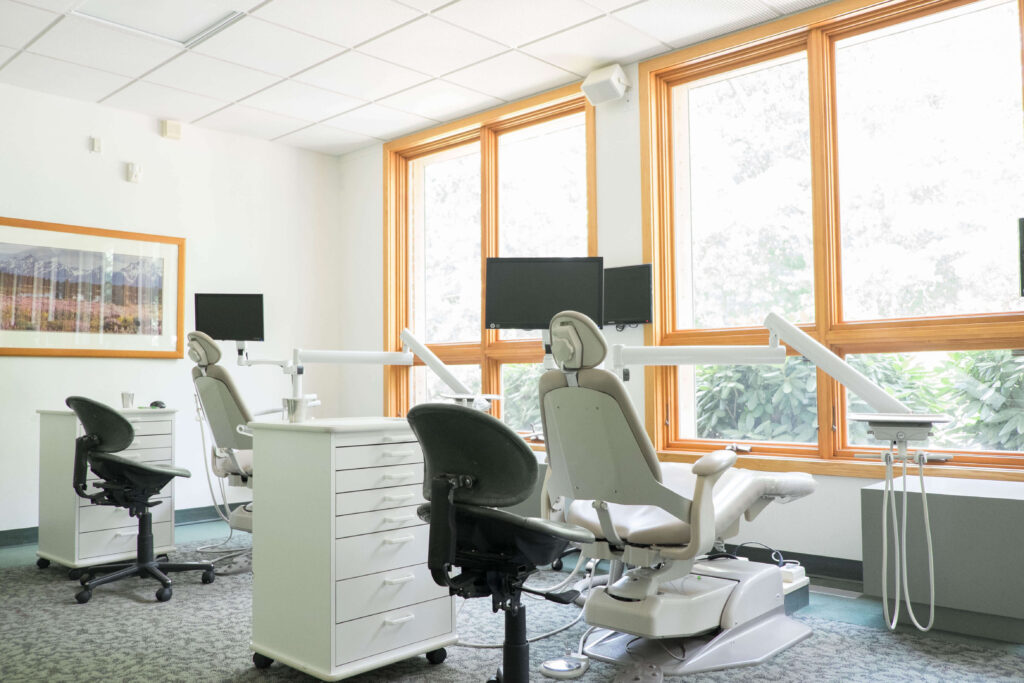
Beautiful and spacious orthodontic clinic at Aronson Orthdontics
The clinic at Aronson Orthodontics. Dr. Ross Aronson is the leading board certified orthodontist serving Oxford, CT, and surrounding areas.

What is Early Orthodontic Treatment?

Early orthodontic treatment, also known as interceptive orthodontics, typically occurs when a child is between the ages of 7 and 10. It is called interceptive because this is an age when your child’s teeth and jaws are still developing, making it an ideal time to identify and "intercept" potential issues before they become more complicated. Dr. Ross Aronson is the leading board certified orthodontist serving Oxford, CT, and an early orthodontic evaluation with him can help identify problems such as crowding, crossbites, and jaw misalignments, allowing for timely intervention to avoid more serious concerns down the road.

The Benefits of Interceptive Treatment

  • Prevents Future Dental Issues: Early orthodontic treatment can address issues such as misaligned bites, overcrowding, and jaw growth discrepancies before they become severe. By intercepting these problems early, Dr. Aronson can guide the growth of the jaw and permanent teeth, often avoiding the need for more invasive treatments later in life.
  • Simplifies Later Treatments: In some cases, interceptive treatment can reduce or eliminate the need for braces or other orthodontic appliances in the future. For instance, addressing crowding early may prevent the need for tooth extractions or jaw surgery down the line.
  • Promotes Proper Oral Development: Early treatment can ensure that your child’s teeth and jaws develop in harmony. This not only contributes to a beautiful smile but also promotes proper chewing, speaking, and breathing.
  • Boosts Self-Confidence: A healthy, straight smile can do wonders for your child’s self-esteem. Early orthodontic treatment can prevent the embarrassment or discomfort associated with dental issues, allowing your child to smile with confidence throughout crucial developmental years.

Dr. Aronson’s Conservative, Evidence-Based Approach

At Aronson Orthodontics, we believe in delivering the best care without unnecessary treatments. Dr. Aronson follows a conservative, evidence-based approach to orthodontic treatment, ensuring that your child receives appropriate care tailored to their specific needs. Dr. Aronson is committed to providing treatments that are not only effective but also minimally invasive, avoiding over-treatment while still achieving excellent results.

Convenience for Busy Oxford Families

We understand that your family’s schedule is busy and doesn't revolve around orthodontics, which is why we offer appointments every weekday, as well as occasional Saturdays. This flexibility ensures that your child can receive the care they need without disrupting your daily routine. Whether you’re coming from Oxford, CT, or the surrounding areas, Aronson Orthodontics is dedicated to making your experience as convenient and pleasant as possible.

Schedule an Early Orthodontic Evaluation Today

If your child is nearing the age of 7 or if you’ve noticed any issues with their teeth or bite, now is the time to schedule an early orthodontic evaluation. Early detection and treatment can make all the difference in ensuring a healthy, beautiful smile for years to come.

Contact Aronson Orthodontics today to schedule your child’s FREE consultation and take the first step towards a lifetime of confident smiles. We proudly serve families in Oxford, CT, and the surrounding communities.

Why See an Orthodontist by Age 8: A Guide for Watertown Parents

May 23rd, 2024

If you're a parent in Watertown, you might be wondering when the right time is to take your child to an orthodontist. Many orthodontic professionals, including us at Aronson Orthodontics, recommend seeing an orthodontist by age 8. Early evaluation can prevent more severe issues down the road to ensure your child’s smile is healthy and beautiful.

Little girl smiling with a missing front tooth
When your child has a mix of baby teeth and permanent teeth, it's the perfect time to see the orthodontist.

The Benefits of Early Orthodontic Evaluation

  • Preventive Care: By age 8, your child has a mix of baby and permanent teeth. An early visit allows us to identify and address potential problems before they become more serious. This proactive approach can save time, money, and discomfort in the long run.
  • Guidance for Jaw Growth:  Early evaluation can help ensure your child’s jaw is developing properly. If there are issues with jaw alignment, early intervention can guide the growth of the jaw and permanent teeth, reducing the need for more invasive procedures later.
  • Improved Oral Habits: Thumb sucking and tongue thrusting can impact the development of teeth and jaws. An orthodontic assessment can help address these habits early, preventing potential orthodontic problems.
  • Monitoring Impacted Teeth: As part of our free consultation, we take a complementary panoramic X-ray to show you how your child's teeth are coming in. This special and informative image lets us know whether teeth are erupting properly without affecting adjacent teeth or other structures. Orthodontic monitoring can prevent issues such as impacted teeth, which can be painful and require more complex treatment if left unaddressed.

Why Choose Aronson Orthodontics near Watertown?

Board Certified Expertise

At Aronson Orthodontics, you’re in expert hands. Dr. Ross Aronson is a board-certified orthodontist and has the training and experience to provide top-notch care for your child.

No Referral Needed

You don't need a referral to book an appointment with us. Simply give us a call to schedule your free consultation.

Watertown’s Trusted Orthodontist

We are proud to serve the Watertown community, offering personalized care and the latest in orthodontic technology. Whether you're looking for traditional braces or Invisalign, we’ve got you covered.

What to Expect During Your Child's First Visit

During the initial consultation, we will:

  1. Examine Your Child’s Teeth and Jaws: A thorough examination will help us understand your child’s orthodontic needs. This might include taking X-rays and photographs of their teeth.
  2. Discuss Treatment Options: We will explain any issues we find and discuss potential treatment options. You’ll have the chance to ask questions and learn more about what to expect.
  3. Create a Personalized Plan: If treatment is needed, we will create a customized plan tailored to your child’s specific needs. This might involve braces, Invisalign, or other orthodontic appliances.

Schedule Your Free Consultation Today!

Early orthodontic evaluation can make a significant difference in your child’s oral health. At Aronson Orthodontics, we’re committed to providing the best care near Watertown. With no referral needed and a free consultation, it’s easy to get started. Contact us today to book an appointment and learn more about how we can help your child achieve a healthier, happier smile.

Naugatuck Parents’ Guide: Orthodontic Care at Age 7 (No Referral Needed!)

December 19th, 2023

As parents, ensuring our children’s health and well-being is a top priority, and this includes their current and future dental health. According to the American Association of Orthodontists, age 7 is the ideal time for an initial evaluation with an orthodontist. This blog highlights the benefits of seeing the area's leading orthodontist near Naugatuck for an early consultation, where no referral is needed and your orthodontic assessment is completely free.

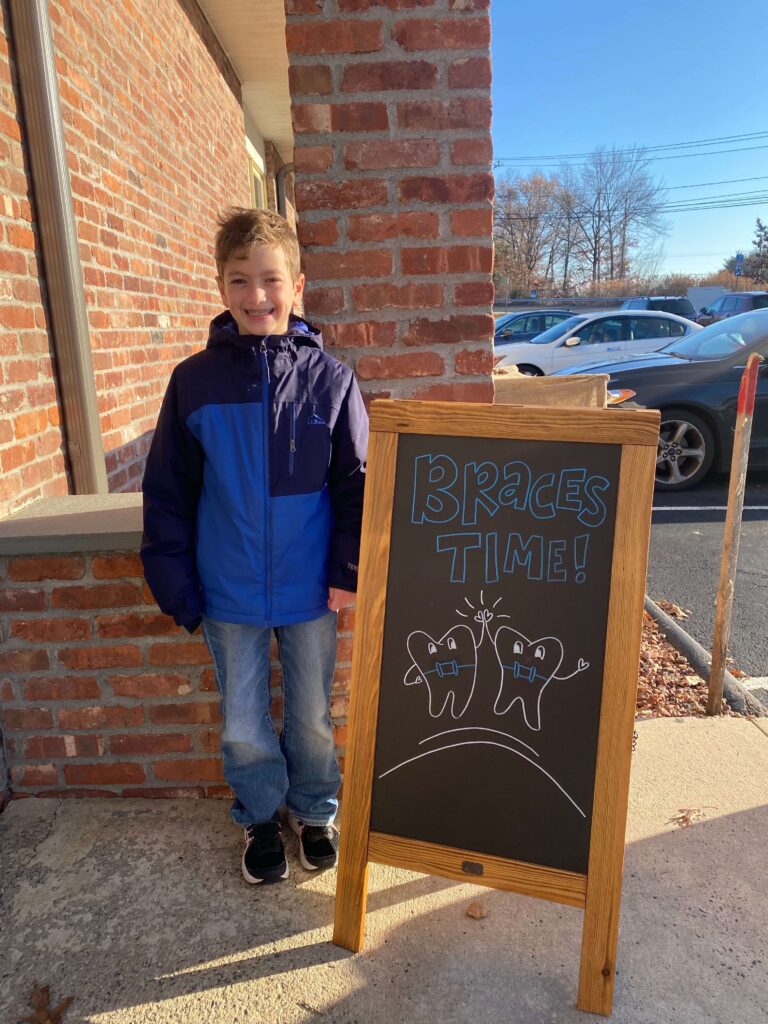
Happy new braces patient outside Aronson Orthodontics
A happy new braces patient at Aronson Orthodontics near Naugatuck, CT.

Why age 7 for the orthodontist?

The reason age 7 is a magical time in orthodontics is because this is an age where children typically have a mix of baby teeth and permanent teeth. This unique dental stage features lots of growth and is also a time where making accurate growth predictions is possible. If orthodontic treatment is recommended for patients at this stage, the role braces play is actually different than many people think. Braces are not used simply to straighten teeth, but rather to help make optimal jaw growth possible and prevent foreseeable future dental issues!

Phase I Orthodontics Near Naugatuck: The Benefits of Early Treatment

Early treatment in orthodontics is also sometimes called "interceptive" treatment, because it allows the orthodontist to work with your child's growing jaw to address several issues, including:

Guiding jaw growth: Early orthodontic treatment can positively impact jaw growth to help make space for permanent teeth that have not come in yet.

Preventing more severe problems: Early detection and interception of potential problems can simplify later treatments.

Correcting harmful oral habits: Habits like thumb sucking can cause dental issues if they continue past a certain age. Visiting the orthodontist at age 7 can help fix this habit and put a stop to the skeletal disruption it can cause.

Improving self-esteem: If your child is self-conscious about a dental issue, addressing it early can help boost their confidence during an important social and psychological phase.

Personalized, Expert Care - No One-Size-Fits-All Treatment

At Aronson Orthodontics, we view age 7 as a very helpful guideline and an important time to come in and be seen by Dr. Aronson for a full and complementary orthodontic evaluation. However, we also understand that every child is different and we make our treatment recommendations based on what would truly benefit the person in the chair. Dr. Aronson is a board certified orthodontist who takes honesty and clear communication very seriously. If early orthodontic intervention would not benefit your child, he will tell you. Rest assured that by booking a consultation, you are booking a personalized and honest assessment that is fully focused on the best outcome for your child’s growth and development.

Easy, Friendly, and Accessible Consultations

Orthodontic treatment can dramatically improve a person’s life. We see it every day in our orthodontic office near Naugatuck, which is why we firmly believe that access to orthodontic care should be straightforward and hassle-free. To make things as easy as possible for you and your family, we offer free consultations to patients of all ages and do not require a referral. Our doors are open for you to seek professional advice without any obligation.

Schedule Your Free Orthodontic Consultation Near Naugatuck, CT

Bringing your child for an orthodontic evaluation at age 7 is a proactive step towards ensuring their oral health. With Dr. Aronson’s expertise, you have access to the area’s leading board-certified orthodontist near Naugatuck to ensure your child’s dental growth and development are on the right track. Remember: an orthodontic assessment at age 7 is not about getting braces - it's about allowing you to make informed decisions about your child’s care. 

Book your child’s free consultation today - no referral needed - and take the first step towards a lifetime of healthy smiles.

Why Age 7 Is the Right Time to See an Orthodontist

May 11th, 2023

Are you surprised that age 7 is the ideal time to see an orthodontist? It seems like your child just started losing their baby teeth, doesn't it? Families in and around Southbury, Middlebury, and Waterbury, CT, have the opportunity to be proactive about their children's smile and jaw growth by scheduling a no-cost consultation with Friedman Aronson Orthodontics at the right time.

Little girl smiling with a missing front tooth
At age 7, children have a mix of baby teeth and permanent teeth.

Guiding optimal growth

Surprising though it may be, the fact that your child now has a mix of baby teeth and permanent teeth (AKA mixed dentition) is precisely the reason that age 7 is the best time for an orthodontic consultation. At age 7, your child is also growing rapidly. Although orthodontists are perhaps best known for their role in straightening teeth, their work goes well beyond making a beautiful smile. Orthodontists are specialists in optimizing the relationship of the teeth and jaws. By taking your child to the orthodontist at the right time, it is possible to spot and address potential growth concerns.

The window of opportunity

Your child’s mouth and face are still developing at age 7, which means there is time to identify and intercept problems to guide optimal growth. Of course growth does not end once your child turns 8, but the window of opportunity for guiding optimal growth can be quite narrow, depending on the issue. Once face and jaw bones have finished growing, it can be very hard (and sometimes not possible) to achieve the same results that early orthodontic interventions allow.

Intervention isn't always needed

However, do not be alarmed! A consultation at Friedman Aronson Orthodontics does not mean your child will start treatment. Dr. Aronson is a firm believer in conservative, evidence-based orthodontics. At age 7, he is specifically looking for issues related to jaw size, poor placement of permanent teeth, and harmful oral habits. If any of these are present, intervention or ongoing observation may be recommended. If all is developing as it should, he will happily give you that reassurance along with some fun chapstick as our thank-you for stopping by his orthodontic office in Southbury or Waterbury, CT.

Consultations are free at Friedman Aronson Orthodontics

A view of the clinic at Friedman Aronson Orthodontics with patient chairs and big windows with natural light
Dr. Aronson is a board certified orthodontist practicing in Southbury and Waterbury.

Friedman Aronson Orthodontics offers no-cost consultations to people of all ages and offers appointments at two convenient locations: 33 Bullet Hill Road, Suite 311 in Southbury, CT, and 650 Chase Parkway #2 in Waterbury, CT, along the Middlebury town line.  Our orthodontic services are available to children, teens, and adults, and include all types of braces, clear aligners (including Invisalign), early treatment, orthognathic surgical cases, and retention.

Consultations are an opportunity for our board certified orthodontist to evaluate the health and function of your child's bite and the relationship of their teeth and jaws, as well as discuss any other concerns you may have. We proudly serve patients throughout New Haven and Fairfield counties, including Newtown, Southbury, Middlebury, Woodbury, Waterbury, Oxford, Naugatuck, and Watertown.

Book an appointment online today or call us at (203) 573-8034 to schedule a free consultation with Dr. Aronson. We look forward to helping your child achieve the best possible early orthodontic care!

beautiful
smiles
happen
here

schedule your free consultation

Practice Contact Information